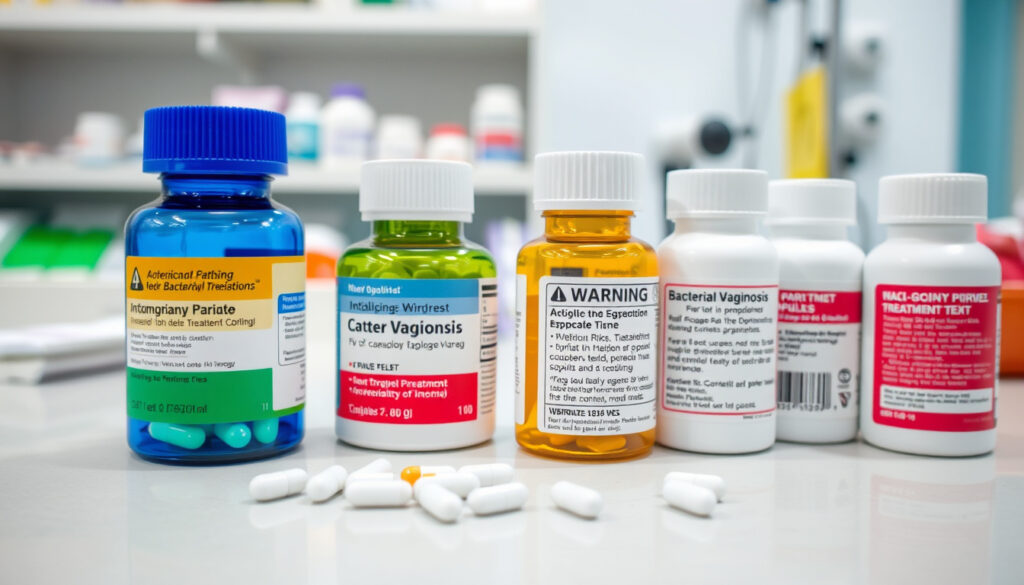
BV Treatment: Best Antibiotics, OTC Options & Risks
Anyone who’s dealt with the persistent itch or that unmistakable fishy odor knows that bacterial vaginosis is more than a minor annoyance—it disrupts daily life. With roughly 21 million women affected annually in the US alone, finding the right BV treatment can feel overwhelming given the mix of antibiotics, over-the-counter gels, and home remedies. This guide sorts through the evidence, pinpoints what actually works, and surfaces the critical risks of leaving BV untreated so you can make a confident decision.
Women affected annually: 21 million in the US (CDC) ·
Recurrence within 6 months: 50% ·
Metronidazole success rate: 85–90% ·
Pregnancy risk increase: Preterm labor if untreated
Quick snapshot
- Antibiotics (metronidazole, clindamycin) cure BV in most cases (PMC review – clinical evidence)
- Untreated BV raises STI risk (CDC STI Treatment Guidelines)
- Role of probiotics in long-term prevention remains unsettled (NHS advice – limited evidence)
- Optimal partner management not well studied (CDC – no routine partner treatment)
- Effectiveness of lactic acid gels for restoring flora is uncertain (HSE – moderate evidence)
- Most BV cases clear within 5–7 days of antibiotics (CDC – 7-day oral metronidazole)
- Single-dose secnidazole works in 24 hours (CDC – alternative regimen)
- Recurrence is the main challenge – up to 50% within 6 months (PMC review – recurrence data)
- For repeat BV, suppressive therapy with metronidazole gel twice weekly for 4–6 months may help (CDC – recurrent BV option)
The table below recaps essential facts on BV treatment and risks.
| Label | Value |
|---|---|
| Most common treatment | Metronidazole (oral or gel) (CDC – recommended regimen) |
| Recurrence rate | 50% within 6 months (PMC review) |
| Pregnancy risk | Preterm labor if untreated (Mayo Clinic – pregnancy complications) |
| OTC treatment | Symptom relief only (NHS – OTC gels not a cure) |
| Male partner treatment | Not recommended (CDC – partner management) |
What is the best treatment for BV?
Antibiotic options: metronidazole and clindamycin
- Oral metronidazole 500 mg twice daily for 7 days is a first-line choice per the CDC STI Treatment Guidelines (federal health authority).
- Alternatively, metronidazole 0.75% gel intravaginally once daily for 5 days has similar efficacy (PMC review – comparable cure rates).
- Clindamycin 2% cream for 7 nights is also a recommended regimen in both HSE (Irish health service) guidelines and CDC guidance.
- Alternative oral options: tinidazole 2 g once daily for 2 days, or secnidazole 2 g oral granules single dose (CDC – alternative regimens).
Oral metronidazole demands strict alcohol avoidance for at least 48 hours after the last dose (HSE – alcohol warning). The vaginal gel bypasses that but may still cause minor irritation. Choice depends on lifestyle and tolerance.
Over-the-counter BV treatments
- OTC pH-balancing gels (e.g., Canesten, Balance Activ) can soothe symptoms and help restore normal flora, but they do not kill the bacteria causing BV (NHS – OTC products not a cure).
- Lactic acid-based products may help maintain a healthy vaginal environment, per HSE notes, but evidence is moderate.
What kills the bacteria that causes BV?
Only prescription antibiotics reliably kill Gardnerella vaginalis and associated anaerobes. The PMC clinical review (academic source) confirms that metronidazole and clindamycin—both systemic (oral) or local (vaginal)—are the only FDA-approved antimicrobials for BV. No OTC product is labeled to cure the infection.
What will happen if BV is left untreated?
How long can BV go untreated?
There is no fixed safety window. Some women carry asymptomatic BV for months. However, the CDC (public health agency) warns that persistent BV raises the risk of acquiring sexually transmitted infections, including HIV, by disrupting the natural vaginal barrier.
Complications: PID, pregnancy risks
- Untreated BV can ascend the reproductive tract and cause pelvic inflammatory disease (Mayo Clinic – PID risk).
- In pregnant women, BV is linked to preterm labor and low birth weight (CDC – pregnancy complications). The HSE advises that metronidazole is the treatment of choice in pregnancy (HSE guideline).
- Douching, often attempted as a home remedy, may actually increase relapse risk and is not recommended for treatment (CDC – no data supports douching).
Does BV ever fully go away?
BV can clear with antibiotics, but recurrence is common: up to 50% of women experience another episode within 6 months (PMC review – recurrence statistic). Biofilm formation by Gardnerella makes it hard to fully eradicate. For women with multiple recurrences, the CDC suggests a suppressive strategy: oral nitroimidazole followed by intravaginal boric acid then maintenance metronidazole gel twice weekly for 4–6 months (CDC recurrent BV option).
For Irish women who rely on HSE prescribing, the recurrence gamble is real: a single antibiotic course often doesn’t prevent a return. Asking your GP about a biofilm-targeted plan can make the difference between a short fix and long-term control.
What are the first signs of BV?
Common symptoms: thin white/gray discharge, fishy odor
- Thin white or gray discharge that pools in underwear (CDC – clinical description).
- Strong fishy odor, often more noticeable after sex (because semen raises vaginal pH) (Mayo Clinic – odor trigger).
- Burning during urination and mild itching inside the vagina.
What are 5 symptoms of BV?
- Thin gray/white discharge
- Fishy odor (especially after intercourse)
- Vaginal itching
- Burning sensation when urinating
- Absence of redness or swelling (unlike many STIs)
Difference from yeast infection
Yeast infections (candidiasis) typically present with thick, white, cottage-cheese-like discharge, intense itching, and redness/swelling. BV discharge is thinner and odorous without significant inflammation. WebMD (health education resource) highlights that misdiagnosing one for the other can lead to ineffective OTC yeast treatments.
Does BV ever fully go away?
Recurrence rates after treatment
As noted, up to 50% of women relapse within 6 months (PMC evidence). Even after a successful 7-day course, the bacteria can persist in biofilm.
Why BV may return
- Biofilm resistance: Gardnerella vaginalis forms a protective biofilm that shields it from antibiotics (PubMed – biofilm in BV).
- Hormonal cycling: Monthly estrogen fluctuations can disrupt vaginal flora and trigger recurrence.
- Sexual activity: Semen raises vaginal pH, creating an environment where BV thrives again.
Long-term management strategies
- Probiotics (Lactobacillus strains) may help recolonize the vagina, but evidence is mixed (NHS – probiotics uncertain).
- Boric acid vaginal suppositories (600 mg once daily for 14–21 days) have shown some promise for biofilm disruption (CDC – boric acid mention).
- Avoid douching and limit vaginal use of scented products.
- Discuss suppressive metronidazole gel with your GP if recurrences are frequent.
Can BV be treated without prescription?
Over-the-counter products: what works?
OTC gels, such as those containing lactic acid or boric acid, can relieve symptoms but do not eliminate the infection. The NHS (UK health service) states clearly that antibiotic treatment requires a prescription. Boric acid suppositories are OTC in many countries and may help with biofilm, but the CDC notes they are not FDA-approved for BV (CDC – boric acid status).
Home remedies: yogurt, probiotics, boric acid
- Yogurt (oral or vaginal) lacks evidence for curing BV. The CDC does not support its use.
- Probiotic supplements containing Lactobacillus crispatus might reduce recurrence, but data is moderate (NHS – no strong recommendation).
- Boric acid (600 mg vaginal suppository) is used off-label for persistent BV, but should be discussed with a doctor before starting.
When to see a doctor
If you experience abnormal discharge, odor, or burning, self-diagnosis is unreliable. Mayo Clinic (specialist clinic) recommends a medical evaluation—especially if you are pregnant, have multiple recurrences, or have a partner with STI symptoms. BV treatment guidelines from the American Academy of Family Physicians (primary care experts) also stress that accurate diagnosis prevents mismanagement.
Ireland’s HSE pathway requires a GP visit for antibiotics. The smartest move: if you suspect BV, book an appointment—the cost of a prescription is trivial compared to the risk of untreated BV leading to PID or pregnancy complications.
Comparison: Prescription vs OTC BV treatment
Four main differences separate prescription antibiotics from over-the-counter products—one pattern is that only one group addresses the root cause.
| Feature | Prescription antibiotics | OTC gels / boric acid |
|---|---|---|
| Eradicates BV bacteria | Yes (CDC – high efficacy) | No (symptom relief only) (NHS) |
| Treatment duration | 5–7 days (oral/gel); single dose for secnidazole (CDC) | Ongoing use (no fixed course) |
| Recurrence prevention | Improved with suppressive regimens (CDC – recurrent protocol) | Unproven for long-term |
| Cost (Ireland) | €10–15 plus GP fee (HSE guideline context) | €12–20 per pack (no prescription) |
Upsides and downsides of current BV treatments
Upsides
- Oral metronidazole is cheap, widely available, and highly effective (CDC guideline).
- Vaginal gels cause fewer systemic side effects (PMC review).
- Single-dose secnidazole offers convenience (CDC guideline).
Downsides
- Alcohol restriction with metronidazole (HSE warning).
- Clindamycin cream weakens condoms (HSE warning).
- Recurrence still high at 50% (PMC review).
Step-by-step: What to do if you think you have BV
- Recognise symptoms: Gray/white discharge, fishy smell, burning.
- Book a GP appointment – self-diagnosis is unreliable (Mayo Clinic).
- Get tested: A simple swab gives results in minutes (HSE protocol).
- If diagnosed: Follow the prescribed antibiotic course – do not stop early even if symptoms disappear (CDC guideline).
- Avoid alcohol if on metronidazole (48 hours after last dose) (HSE warning).
- Monitor for recurrence – if BV returns within 6 months, discuss a biofilm-targeted strategy with your GP (CDC recurrent protocol).
Clarity: What is confirmed vs what is still uncertain
Confirmed facts
- Antibiotics effectively cure BV (PMC review)
- Untreated BV increases STI risk (CDC guideline)
- Recurrence affects 50% within 6 months (PMC review)
- Partner treatment not recommended (CDC guideline)
What’s unclear
- Long-term benefit of probiotics (NHS advice)
- Optimal management of male partners (CDC guideline)
- Effectiveness of boric acid vs antibiotics for recurrent BV (CDC – not FDA-approved)
- Role of lactic acid gels in long-term flora restoration (HSE – moderate evidence)
Expert perspectives
“The CDC recommends metronidazole 500 mg orally twice a day for 7 days as a recommended regimen, and metronidazole 0.75% gel once daily for 5 days as an alternative with similar efficacy.”
– CDC STI Treatment Guidelines (federal health agency)
“The HSE guideline advises that clindamycin cream should be avoided in the first trimester of pregnancy, and that women may benefit from lactic acid vaginal gels to help restore normal vaginal flora.”
– HSE Bacterial vaginosis guideline (Irish health service)
“For women with multiple recurrences, an oral nitroimidazole followed by intravaginal boric acid and suppressive metronidazole gel twice weekly for 4–6 months might be an option.”
– CDC – recurrent BV management note
BV is treatable with a short course of antibiotics, but the real battle is against recurrence driven by bacterial biofilm. For women in Ireland, the most effective path remains a GP visit for a prescription antibiotic—combined with a candid discussion about suppressive therapy if BV keeps coming back. For anyone reading this, the choice is clear: invest in a proper diagnosis today, or risk the far greater cost of untreated BV tomorrow.
sesamecare.com, everlywell.com, solosec.com, goodrx.com, youtube.com
Frequently asked questions
Can BV be transmitted sexually?
BV is not classified as an STI, but sexual activity (especially with a new partner) can disrupt vaginal flora and trigger BV. Treating male partners does not reduce recurrence (CDC guideline).
Is BV considered an STD?
No. While BV increases STI susceptibility, it is not an STI itself. However, women with BV are at higher risk for acquiring HIV and other STIs (CDC guideline).
How long does BV treatment take to work?
Symptoms often improve within 2–3 days of starting antibiotics. The full course (5–7 days) should be completed to prevent resistance and recurrence (Mayo Clinic).
Can I drink alcohol with metronidazole?
No. The HSE and CDC advise avoiding alcohol for at least 48 hours after the last dose because it can cause severe nausea, vomiting, and headache (HSE warning).
Can BV cause infertility?
Untreated BV has been linked to pelvic inflammatory disease (PID), which can cause fallopian tube scarring and contribute to infertility (Mayo Clinic).
What is the difference between BV and yeast infection?
BV causes thin gray/white discharge with a fishy odor; yeast infections cause thick white discharge with intense itching and redness (WebMD).
Can BV go away on its own?
In some mild cases, BV resolves spontaneously, but untreated BV can persist and increase the risk of complications (CDC guideline).
More related posts
 Pokemon Prismatic Evolution: Cards, Best Picks & Boxes Guide
 Tuesdays with Morrie: Summary & Main Message Explained
 ABC Vote Compass: 2025 Quiz to Match Your Views
 Rob Hirst, Midnight Oil Drummer, Dies at 70
 Saint Peter: Apostle, First Pope, and Martyr – Life & Legacy
 Rick Springfield: Biography, Net Worth, and Top Songs
 Jules Ari: Biography, Age, Net Worth, and Podcast Facts
 Coles Opening Hours: Store Times, Refund Policy & Facts
