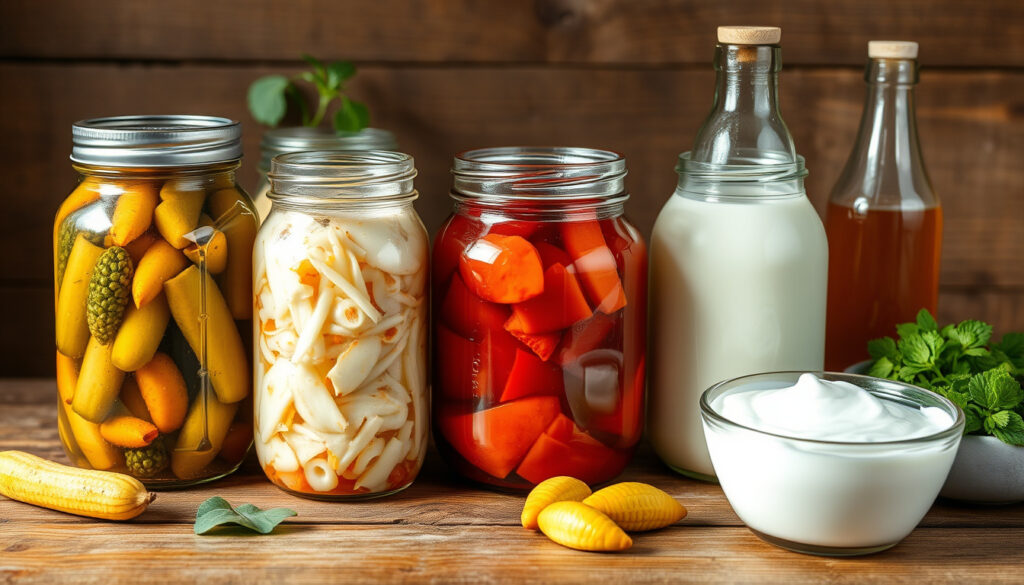
What Is a Fermented Food? Benefits, Examples, and Risks
You’ve probably heard that fermented foods are good for you—yogurt for breakfast, kimchi with dinner, kombucha as a mid-day pick-me-up. But between the health claims and the warning signs about histamine, it’s easy to get confused about what these foods actually do inside your body, so this guide walks through what they are, which offer the most benefits, and who should think twice before reaching for that jar of sauerkraut.
Estimated number of traditional fermented foods worldwide: over 5,000 ·
Global fermented foods market size (2025): $700+ billion ·
Typical probiotic content in live fermented foods: 10⁶–10¹⁰ CFU per serving ·
Reduction in inflammation markers (meta-analysis): ~15–20% with regular consumption
Quick snapshot
- Fermentation increases shelf life and digestibility (Nahrungsmittel-Intoleranz (consumer guidance resource))
- Live cultures can improve gut microbiota diversity (Cultures for Health (home fermentation education))
- Histamine levels rise during fermentation (Nahrungsmittel-Intoleranz)
- Whether all commercial fermented foods still contain live probiotics after heat treatment or pasteurization (Nahrungsmittel-Intoleranz)
- Optimal daily serving size for measurable health benefits (Cultures for Health)
- Contribution of fermented foods to overall histamine load across individuals (Nahrungsmittel-Intoleranz)
- Human fermentation dates back ~12,000 years; the first known fermented beverages appeared around 10,000 BC (Nahrungsmittel-Intoleranz)
- Personalized nutrition research aims to match specific probiotic strains to individuals based on gut microbiome composition (Nahrungsmittel-Intoleranz)
Four key facts define the landscape, one pattern: the same microbial process that creates health benefits also creates risks for certain populations.
| Field | Value |
|---|---|
| Definition | Foods made through controlled microbial growth and enzymatic conversion of components. |
| Common microbes | Lactobacillus, Bifidobacterium, Saccharomyces, Aspergillus. |
| Key benefit | Improves nutrient bioavailability and introduces beneficial microbes. |
| Histamine risk | Levels can exceed 100 mg/kg in aged cheeses and sauerkraut. |
What are examples of fermented food?
Common fermented foods
- Yogurt and kefir: dairy-based, fermented by lactic acid bacteria (Lactobacillus spp.) and sometimes yeasts. Live cultures survive in unheated products (Nahrungsmittel-Intoleranz).
- Kimchi and sauerkraut: vegetable ferments using salt and native microbial communities. Typical ferment times range from 1 week (kimchi) to 4+ weeks (sauerkraut) (Cultures for Health).
- Kombucha: sweet tea fermented by a symbiotic culture of acetic acid bacteria and yeasts. Contains trace alcohol (0.5–2%) (Nahrungsmittel-Intoleranz).
- Miso and tempeh: soy-based ferments using Aspergillus oryzae mold. Miso is salty and aged 3–36 months; tempeh is whole soybeans bound by white mycelium (Cultures for Health).
- Soy sauce, sourdough bread, some aged cheeses, and traditional pickles (lacto-fermented, not vinegar-pickled) also qualify (Nahrungsmittel-Intoleranz).
Probiotic-rich options
Not all fermented foods deliver live probiotics to the gut. Heat-treated products (pasteurized yogurt, bottled kombucha that’s been flash-heated) may contain dead cultures. For a product to qualify as probiotic-rich, it should explicitly state “live and active cultures” and be stored refrigerated. Cultures for Health notes that unpasteurized sauerkraut and refrigerated kefir typically retain higher viable cell counts than shelf-stable alternatives.
A consumer picking up “probiotic” yogurt off a room-temperature shelf may be buying fermented flavor without fermented benefit—label reading matters more than marketing claims. The difference between live and heat-treated can be billions of viable cells per serving.
Which is the healthiest fermented food?
Nutritional comparisons
Healthiness depends on individual gut needs, but a few contenders stand out based on nutrient density and probiotic diversity.
- Kefir: often contains 30+ strains of bacteria and yeasts, compared to yogurt’s typical 2–5 strains. A 1-cup serving of kefir provides ~10–20% of daily calcium needs (Nahrungsmittel-Intoleranz).
- Kimchi: rich in vitamin K2 (menaquinone-7) and antioxidants from ingredients like garlic, ginger, and chili. A 100g serving contains ~25% of daily vitamin K needs (Cultures for Health).
- Sauerkraut: high in vitamin C (about 15 mg per 100g) and vitamin K2. The lacto-fermentation process increases bioavailability of iron and zinc (Nahrungsmittel-Intoleranz).
Three popular ferments, one pattern: nutrient density varies widely, and “healthiest” depends on what specific benefits you’re chasing.
| Food | Probiotic diversity | Key nutrients | Sodium per serving |
|---|---|---|---|
| Kefir | 30+ strains | Calcium, B vitamins, biotin | ~50 mg per cup |
| Kimchi | 10–20 strains | Vitamin K2, vitamin C, antioxidants | ~500 mg per 100g |
| Sauerkraut | 5–10 strains | Vitamin C, iron, zinc | ~660 mg per 100g |
The trade-off: kefir wins on probiotic diversity and low sodium but is dairy-based, which excludes some people. Kimchi and sauerkraut offer non-dairy options but come with high sodium—a concern for anyone on a low-salt diet.
Is fermented food high in histamine?
Histamine formation during fermentation
Yes—many fermented foods contain significant histamine because lactic acid bacteria produce histidine decarboxylase, an enzyme that converts the amino acid histidine into histamine. Levels vary: fresh yogurt may contain 2–5 mg/kg of histamine, while aged cheese can exceed 100 mg/kg (Nahrungsmittel-Intoleranz). Sauerkraut, kombucha, miso, soy sauce, and matured cheese are identified as particularly critical for people with histamine intolerance (Nahrungsmittel-Intoleranz).
Histamine intolerance symptoms
Typical symptoms include reddening of the skin, headache, nausea, and digestive problems (Nahrungsmittel-Intoleranz). The root cause is often a deficiency in diamine oxidase (DAO), the enzyme that breaks down histamine in the gut (Cultures for Health). Not everyone reacts the same way—some people can tolerate small amounts, while others react to even trace levels.
The same lactic acid bacteria that make fermented foods probiotic-rich also produce histamine. For people with histamine intolerance or MCAS, eating “healthy” fermented foods can worsen symptoms rather than improve gut health. The food industry hasn’t solved this tension—product labeling rarely lists histamine content.
Does Greek yogurt count as a fermented food?
Greek yogurt production
Yes—Greek yogurt is made by fermenting milk with lactic acid bacteria (Lactobacillus bulgaricus and Streptococcus thermophilus), then straining to remove whey and thicken the texture (Nahrungsmittel-Intoleranz). The straining process concentrates protein (typically 15–20g per 6-ounce serving) but may also reduce bacterial cell counts because some cultures are lost with the whey.
Probiotic content vs. regular yogurt
Regular yogurt often retains a higher total bacterial count (10⁸–10⁹ CFU per gram) than Greek yogurt (10⁶–10⁸ CFU per gram) because less liquid is removed (Cultures for Health). Still, if the label says “live active cultures,” both types provide probiotic benefits. Greek yogurt is lower in lactose, which makes it easier to digest for people with mild lactose intolerance.
Who should not eat fermented foods?
Histamine intolerance
People with histamine intolerance should limit or avoid fermented foods. Symptoms—including headache, stomach upset, and skin flush—stem from an inability to break down histamine due to DAO deficiency (Cultures for Health). Sauerkraut, kombucha, miso, and aged cheese are particularly problematic (Nahrungsmittel-Intoleranz).
Compromised immune system
People with weakened immune systems (due to chemotherapy, organ transplant, or immune disorders) may be at higher risk of infections from live bacteria or fungi in raw fermented products (Cultures for Health). Heat-treated products (pasteurized) reduce this risk but also eliminate live probiotics.
High sodium concerns
Kimchi and sauerkraut pack around 500–660 mg of sodium per 100g—roughly 25–30% of the recommended daily limit (Cultures for Health). Anyone with hypertension, kidney disease, or a medical low-sodium diet should choose yogurt or kefir instead of vegetable ferments.
Gas and bloating in sensitive digestive systems
Some probiotic strains can cause gas, bloating, and even diarrhea in people with sensitive digestive systems, particularly those with IBS or SIBO (Cultures for Health). Starting with small portions (1–2 tablespoons of sauerkraut or ¼ cup of yogurt) and gradually increasing over 2–3 weeks can help the gut adapt.
Upsides
- Improves gut microbiota diversity and digestive health for most people
- Increases bioavailability of nutrients (iron, zinc, B vitamins)
- Can help restore gut flora after antibiotic use (Cultures for Health)
- Most are generally considered safe during pregnancy (miso, kimchi, yogurt, kefir) (Cultures for Health)
Downsides
- High histamine content triggers symptoms in sensitive individuals
- High sodium in vegetable ferments (500–660 mg per 100g)
- Live bacteria can cause infections in immunocompromised people
- Gas and bloating in people with IBS or SIBO when introduced too fast
“Fermented foods are defined as foods made through desired microbial growth and enzymatic conversions of food components.”
— Eirini Dimidi et al., research published via PMC (2019) (Nahrungsmittel-Intoleranz)
“Fermentation can make nutrients more available for absorption—it’s like pre-digesting the food for you.”
— Stanford Medicine nutrition team (via Cultures for Health, secondary)
“Not all fermented foods are created equal when it comes to probiotic content. Heat-treated products kill the beneficial bacteria.”
— Zoe.com editorial team (gut health resource)
selfdecode.com, resources.healthgrades.com, pmc.ncbi.nlm.nih.gov
For a more detailed breakdown of what qualifies as fermented, see this guide to definition and examples of fermented foods.
Frequently asked questions
What is the difference between fermented and pickled foods?
Fermented foods use live microorganisms to preserve and transform ingredients, while pickled foods rely on vinegar (acetic acid) to achieve a similar tang without microbial growth. Many pickled products are not fermented unless they contain live cultures.
Can fermented foods help with weight loss?
Some research suggests that fermented foods may support weight management by improving gut microbiota diversity and reducing inflammation markers (by ~15–20% in some meta-analyses). However, the effect is modest—no single food causes significant weight loss. Total dietary pattern matters more.
How long do fermented foods last in the refrigerator?
Most fermented foods last 1–3 months refrigerated if kept in sealed containers. Kimchi and sauerkraut continue to ferment slowly, developing more sourness over time. Yogurt and kefir are best consumed within 2–3 weeks of opening.
Are fermented foods safe during pregnancy?
Miso, kimchi, sauerkraut, yogurt, and kefir are generally considered safe for pregnant women. Pregnant women should avoid unpasteurized or raw fermented products that may carry Listeria risk, such as some artisanal soft cheeses.
Do I need to eat fermented foods every day for gut health?
Daily consumption isn’t required, but regular intake (3–5 servings per week) is associated with better gut health outcomes. More important than frequency is variety—different ferments provide different strains.
What is the best way to introduce fermented foods into my diet?
Start with small amounts—1 tablespoon of sauerkraut daily or ¼ cup of yogurt—and gradually increase over 1–2 weeks. This gives your gut time to adapt, reducing gas and bloating. Choose refrigerated, unpasteurized products for live cultures.
Can fermented foods cause bloating?
Yes, especially for people with IBS or SIBO. Some probiotic strains (e.g., Lactobacillus casei, Bifidobacterium lactis) produce gas in the colon. Starting with small portions and drinking plenty of water helps minimize discomfort.
For more food and recipe guides, check out our articles on Tres Leches Cake: Ingredients, Soak Times & Why It’s Not Soggy and Poke Bowl Recipe: Ingredients, Base, and Mistakes to Avoid.
For the everyday consumer looking to improve gut health, the choice is clear: include 3–5 weekly servings of live-culture fermented foods like yogurt, kefir, or kimchi—but start slow and watch for histamine reactions. For anyone with histamine intolerance, MCAS, a compromised immune system, or a medically restricted low-sodium diet, the safer path is to opt for fresh, low-histamine alternatives (plain yogurt in small amounts, fresh vegetables, lean proteins) and discuss fermented food reintroduction with a gastroenterologist or dietitian.
More related posts
 High Blood Pressure Symptoms – Key Signs and When to Worry
 Mac DeMarco on Anxiety, Alcoholism, and Sobriety
 Jai Opetaia Next Fight: Date, Opponent, Latest News 2026
 Bucky Barnes: Winter Soldier Powers, History & Love Life
 Lakers vs Clippers Rivalry: History, Stats, and Who is Better?
 Chainsaw Man Movie – Reze Arc Release and Facts
 Banksia Integrifolia: Coastal Care & Planting Tips
 Doug Jennings Park – Gold Coast Events and Facilities Guide
