Mario and Luigi – Brothers, Games, History and Brothership
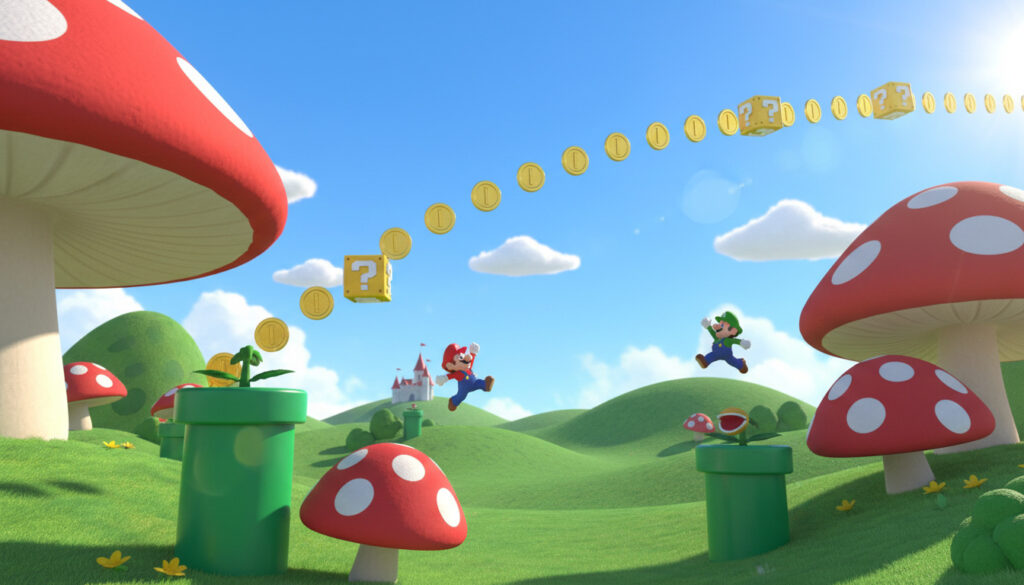
Mario and Luigi stand as the central protagonists of Nintendo’s enduring Mario franchise, their brotherly bond defining decades of interactive entertainment. Initially cast as the iconic lead and his secondary counterpart, the pair has transcended their origins to embody gaming’s most recognizable sibling relationship. Their connection manifests through physical affection, Italian-sounding gibberish communication, and demonstrated mutual concern for each other’s safety.
Over forty years, Luigi has evolved from a palette-swapped “player two” into a beloved hero independent of his older brother. This transformation reflects broader shifts in Nintendo’s design philosophy, moving from hierarchical player assignments to cooperative experiences that celebrate both characters equally.
Their shared legacy now spans multiple genres and console generations, from platforming pioneers to narrative-driven role-playing epics. The brothers’ dynamic continues to provide the emotional foundation for adventures that emphasize mutual support rather than solitary heroism.
Are Mario and Luigi Brothers?
Relationship
Fraternal brothers and central protagonists of Nintendo’s flagship franchise
Dynamic
Deep affection with protective instincts and cooperative gameplay mechanics
Evolution
From player-one/two hierarchy to independent co-protagonists with distinct abilities
Scope
Over four decades of joint appearances across multiple gaming genres
- Mario and Luigi are confirmed fraternal brothers, with Mario as the elder sibling
- Their relationship features frequent embraces and verbal communication in Italian-sounding gibberish
- Luigi originated as a “player two” equivalent but developed into a standalone hero
- The brothers first united in RPG format with 2003’s Superstar Saga for Game Boy Advance
- Recent titles emphasize simultaneous cooperative gameplay rather than hierarchical roles
- The 2024 installment Brothership marks their latest joint adventure on Nintendo Switch
- Their bond serves as the defining emotional element across numerous games and timelines
| Fact | Details | Source |
|---|---|---|
| Relationship Status | Fraternal brothers, central protagonists | Wikipedia |
| First RPG Appearance | Mario & Luigi: Superstar Saga (2003) | Wikipedia |
| Latest Joint Release | Mario & Luigi: Brothership (November 7, 2024) | Nintendo Store |
| Developer Transition | Acquire (Brothership), following AlphaDream’s previous work | Wikipedia |
| Infant Appearances | Baby Mario and Baby Luigi playable in Partners in Time | Game Informer |
| Solo Milestone | New Super Luigi U first main series title without Mario | Video Analysis |
What Games Feature Mario and Luigi?
The Mario & Luigi RPG series represents the most concentrated exploration of their partnership, beginning with 2003’s Superstar Saga on Game Boy Advance. This inaugural title established the template: the brothers exploring distinct locales while confronting antagonists original to the series rather than recycled from platforming entries.
RPG Series Evolution
The franchise expanded significantly with 2005’s Partners in Time, which introduced Baby Mario and Baby Luigi as playable characters alongside their adult counterparts. This installment brought the total playable roster to four and incorporated time-travel mechanics involving the alien Shroobs. Later entries like Dream Team placed Luigi at the narrative center, infusing him with dream-based powers that emphasized his growing importance beyond mere sidekick status.
Remakes and Recent Developments
Bowser’s Inside Story + Bowser Jr.’s Journey (2018) for Nintendo 3DS offered a comprehensive remake that included an original side story exploring Bowser Jr.’s relationship with his father. However, the most significant recent development arrived with Mario & Luigi: Brothership on November 7, 2024. Developed by Acquire rather than original series creator AlphaDream—though with some original franchise developers involved—this Nintendo Switch title represents both a continuation and reinvention of the brothers’ RPG legacy.
The Mario & Luigi series distinguishes itself through simultaneous character control, requiring players to master button combinations that trigger “Bros. Attacks” where the siblings combine their abilities for enhanced combat effectiveness.
Who Came First, Mario or Luigi?
While specific debut dates for the characters’ initial appearances remain unconfirmed in available documentation, the established canon clearly identifies Mario as the elder brother. Luigi occupies the role of the younger sibling, a dynamic that has influenced their characterization throughout the franchise history. This birth order establishes the foundation for their interactions, with Mario typically taking the lead in early adventures while Luigi developed into his own distinct personality.
The Significance of Names
The origin of “Luigi” relates directly to his fraternal connection; the name was chosen specifically to echo “Mario,” with shared phonetic elements reinforcing their brotherly bond. Unlike Mario’s broader Italian-American plumber archetype, Luigi’s identity has gradually expanded to encompass unique traits—including his ghost-hunting expertise and medical pursuits—that distinguish him from his sibling.
Establishing Independence
The brothers’ timeline includes distinct eras that shaped their individual identities. During the Infant Era depicted in Super Mario World 2: Yoshi’s Island, Kamek kidnapped Baby Luigi during a stork delivery, establishing early narrative stakes around their separation. Later, the Luigi’s Mansion era saw the younger brother winning a contest for a free mansion and confronting King Boo, who had captured Mario—marking Luigi’s first major solo heroics. Meanwhile, during the Super Mario Sunshine era, Mario traveled to Delfino Isle while Luigi remained in the Mushroom Kingdom pursuing medical studies, eventually contributing to curing sickened Toads.
The Evolution of a Partnership
Luigi’s trajectory from secondary palette swap to independent protagonist represents one of gaming’s most significant character developments. New Super Luigi U became the first game in the main Mario series to feature Luigi without Mario, signaling a definitive break from his traditional “player two” designation. This shift acknowledged the character’s accumulated fan base and distinct personality traits that had emerged across decades of appearances.
The brothers’ relationship continues to provide the emotional core for their adventures. Whether exploring the Beanbean Kingdom or navigating the Concordian archipelago in Brothership, their interactions emphasize mutual support rather than hierarchical dependency. Their ghost-hunting and medical exploits demonstrate capabilities that complement rather than replicate Mario’s platforming heroics.
Luigi has developed specific expertise in paranormal investigation and medical science, contrasting with Mario’s broader adventure-focused skill set, creating complementary rather than redundant hero roles within the franchise.
A Timeline of Brotherly Adventures
- 2003: Mario & Luigi: Superstar Saga launches on Game Boy Advance, establishing the RPG formula – source: Wikipedia
- 2005: Partners in Time introduces Baby Mario and Baby Luigi as playable characters alongside their adult counterparts – source: Game Informer
- Infant Era: Baby Mario and Baby Luigi’s rescue depicted during Kamek’s kidnapping attempt in Super Mario World 2: Yoshi’s Island – source: Fantendo Timeline
- Luigi’s Mansion Era: Luigi confronts King Boo and establishes his ghost-hunting credentials while rescuing his captured brother – source: Fantendo Timeline
- Super Mario Sunshine Era: Mario travels to Delfino Isle while Luigi remains in the Mushroom Kingdom pursuing medical training – source: Fantendo Timeline
- 2018: Bowser’s Inside Story + Bowser Jr.’s Journey releases for 3DS, featuring enhanced graphics and additional story content – source: Wikipedia
- 2024: Mario & Luigi: Brothership launches for Nintendo Switch, developed by Acquire – source: Wikipedia
What We Know vs. What Remains Uncertain
| Established Information | Unconfirmed or Unclear |
|---|---|
| Mario and Luigi are fraternal brothers | Specific heights or full legal names |
| Mario is the older sibling | Exact debut dates in arcade history |
| Luigi began as Player 2 equivalent | Specific voice actor details for recent titles |
| Brothership released November 7, 2024 | Direct quotes from Shigeru Miyamoto regarding the brothers |
| Over 40 years of franchise history | Official Nintendo timeline documentation |
| AlphaDream developed early RPGs; Acquire developed Brothership | Future release schedule beyond Brothership |
The Cultural Impact of Gaming’s Most Famous Siblings
The Mario brothers have transcended their origins as video game mascots to become global entertainment icons. Their dynamic—balancing competition with cooperation, distinct abilities with shared goals—has influenced countless subsequent game designs featuring paired protagonists. Media portrayals of sibling relationships, from the Frieren Beyond Journey’s End anime series to various cinematic interpretations, often mirror the protective yet independent dynamic Nintendo established between its plumber brothers.
Their evolution reflects broader industry shifts toward inclusive multiplayer experiences and character diversification. Where early gaming often relegated second players to derivative roles, the brothers’ progression demonstrates how secondary characters can develop autonomous fan bases and standalone franchises without severing their foundational connections.
Documenting the Brotherly Bond
While specific direct quotations from creators remain absent from available documentation, the brothers’ characterization speaks through their actions. Their relationship manifests physically through frequent embraces and verbally through distinctive communication patterns. As documented in video analyses, they demonstrate genuine concern for each other’s safety throughout their adventures, establishing emotional stakes beyond mere gameplay objectives.
“Mario and Luigi are the central protagonists of Nintendo’s Mario franchise, with their brotherly bond serving as a defining element across numerous games and timelines.”
The Future for Mario and Luigi
The November 2024 release of Brothership positions the siblings for a new era of Nintendo Switch gaming, with Acquire’s involvement suggesting potential franchise evolution while maintaining the cooperative spirit that defines the series. Just as audiences follow diverse career trajectories across entertainment mediums—from video game heroes to Hayley Atwell complete filmography spanning superhero blockbusters and independent dramas—the Mario brothers continue expanding their repertoire while maintaining their core fraternal identity.
Frequently Asked Questions
Are Mario and Luigi twins?
No. Mario is the older brother and Luigi is the younger sibling, establishing a clear birth order within their fraternal relationship.
Why is Luigi taller than Mario?
While specific height measurements remain unconfirmed in available sources, Luigi has been consistently depicted as taller and thinner than his older brother across the franchise history.
Who developed Mario & Luigi: Brothership?
Acquire developed the 2024 title, marking the first mainline entry not created by AlphaDream, though some original franchise developers participated in the project.
What makes the Mario & Luigi RPG series unique?
The series features simultaneous control of both brothers, cooperative “Bros. Attacks,” and narratives that require both siblings’ distinct abilities to progress.
Is Luigi playable without Mario?
Yes. New Super Luigi U became the first main series game to feature Luigi as the sole protagonist, and the Luigi’s Mansion series focuses exclusively on his ghost-hunting adventures.
What is the plot of Mario & Luigi: Brothership?
The 2024 installment follows the brothers exploring the Concordian archipelago, though specific narrative details continue to emerge as players experience the release.
Do Mario and Luigi have other family members?
Available documentation focuses exclusively on the brothers’ relationship, with no confirmed information regarding other immediate family members in the current canon.
How has Luigi’s character changed over time?
Luigi evolved from a palette-swap “player two” into an independent hero with expertise in paranormal investigation and medical science, capable of starring in his own franchise entries.
More related posts
 AP Royal Oak Price Guide: Why It’s So Expensive in 2025
 Thomas Sewell: Neo-Nazi Legal Timeline and Key Facts
 Sporty Spice: Mel C’s Relationships, Marriage, Nickname
 How to Get, Install, and Use Apple CarPlay (Complete Guide)
 Mike Myers: Biography, Net Worth, and Why He Stopped Acting
 Danny Elfman Allegations: Legal Battle & Career Overview
 Anna McNulty: Age, Real Name, and AGT Journey
 Kate Harrison: Model, Photographer and Chloë Grace Moretz’s Wife
